
Blog ·
Best Skylight for a Sunshine Coast Home: Illume vs Velux vs Solar Tube
There are three ways to bring daylight into a dark room on the Sunshine Coast: a glass roof window such as Velux, a solar tube such as Solatube, or a solar-powered skylight alternative such as Illume. They look similar in a brochure and behave very differently in a Queensland house. This guide compares them on the things that matter here: heat, leaks, which rooms they can reach, maintenance, and what the install involves.
Sol Coast Construction is an accredited Illume dealer installer, QBCC licensed and insured, with over 25 years in the industry. We install Illume because it is the right answer for most coastal homes, and we will tell you when it is not.
The three options in one minute
- Velux roof window. A glazed window cut into the roof, flashed and sealed. Real sky, real sunlight, and on opening models, ventilation. The room must sit directly under the roof, or a light shaft has to be built down to it.
- Solar tube (Solatube and similar). A clear dome on the roof feeds sunlight down a reflective tube to a ceiling diffuser. Real sunlight, smaller hole than a roof window, still a roof cut, and the tube needs a fairly straight run.
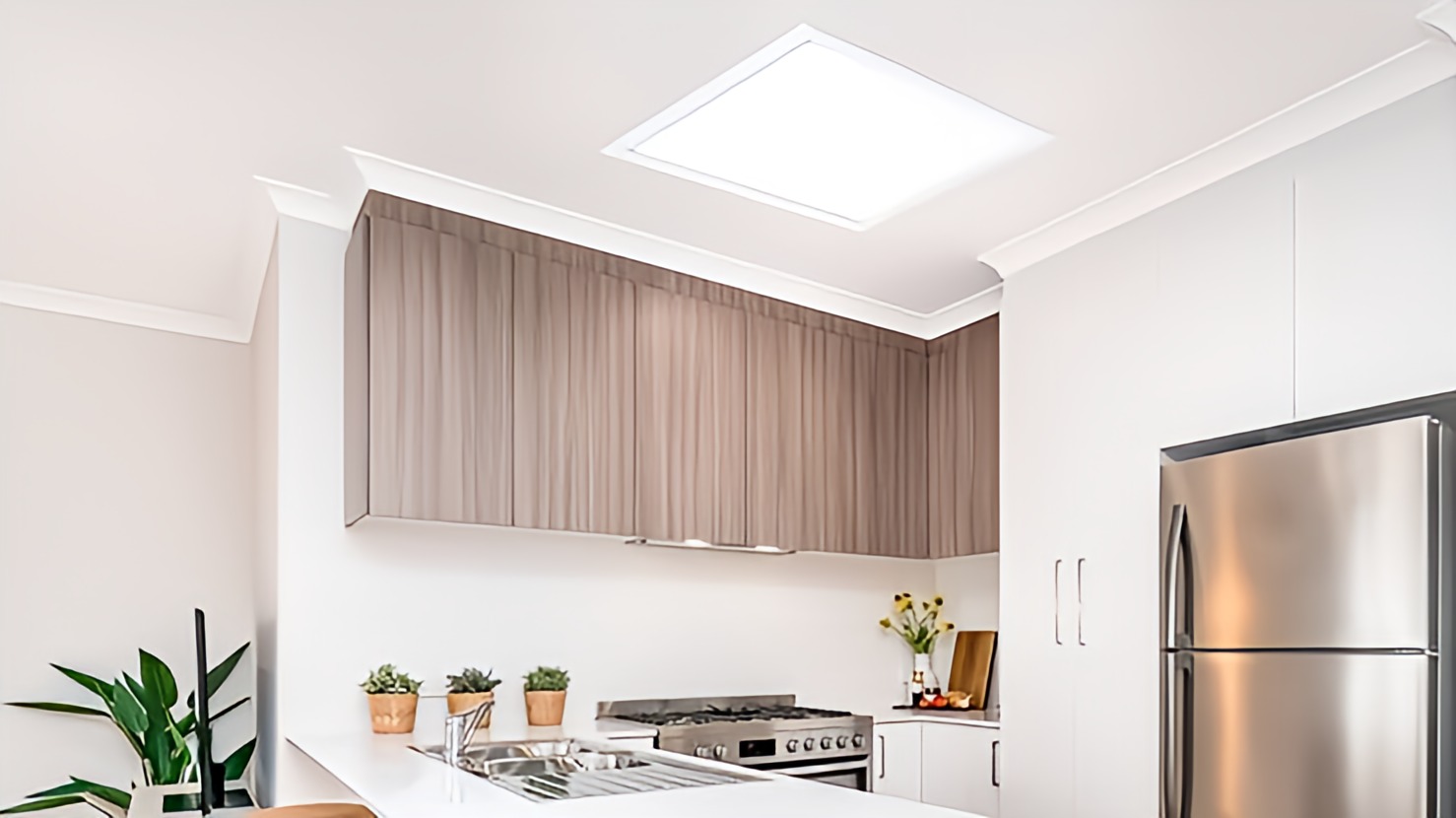
- Illume skylight alternative. A small solar collector on the roof powers a slim LED ceiling panel that tracks the daylight outside. No roof cutting: the only hole is a 13 mm one for the cable. It can go in almost any room, including lower floors and rooms with no roof above them.
Heat: the Sunshine Coast question
A glass skylight is a window in your roof, and on a January afternoon it works like one. Roof windows and solar tubes both pass radiant heat into the room along with the light. Blinds and tinted glazing reduce it; they do not remove it.
An Illume panel passes light only. The collector stays on the roof and the ceiling panel runs cool, so a hallway or kitchen gets brighter without getting hotter. For a west-facing room on the coast, this is usually the deciding factor.
Leaks and coastal weather
Any product that cuts a hole in a roof relies on flashing and sealant to keep storms out. Done well it lasts years; it is still the one spot on the roof that needs checking after a big weather event, and on a tiled roof it is where cracked tiles and lifted flashing show up first.
Illume does not cut the roof. There is no flashing, no dome and no shaft, so there is nothing to seal and nothing to leak. Its frame is aluminium, which matters within a few kilometres of salt air.
Which rooms each option can reach
This is where the three products stop being comparable.
- Rooms directly under the roof: all three work.
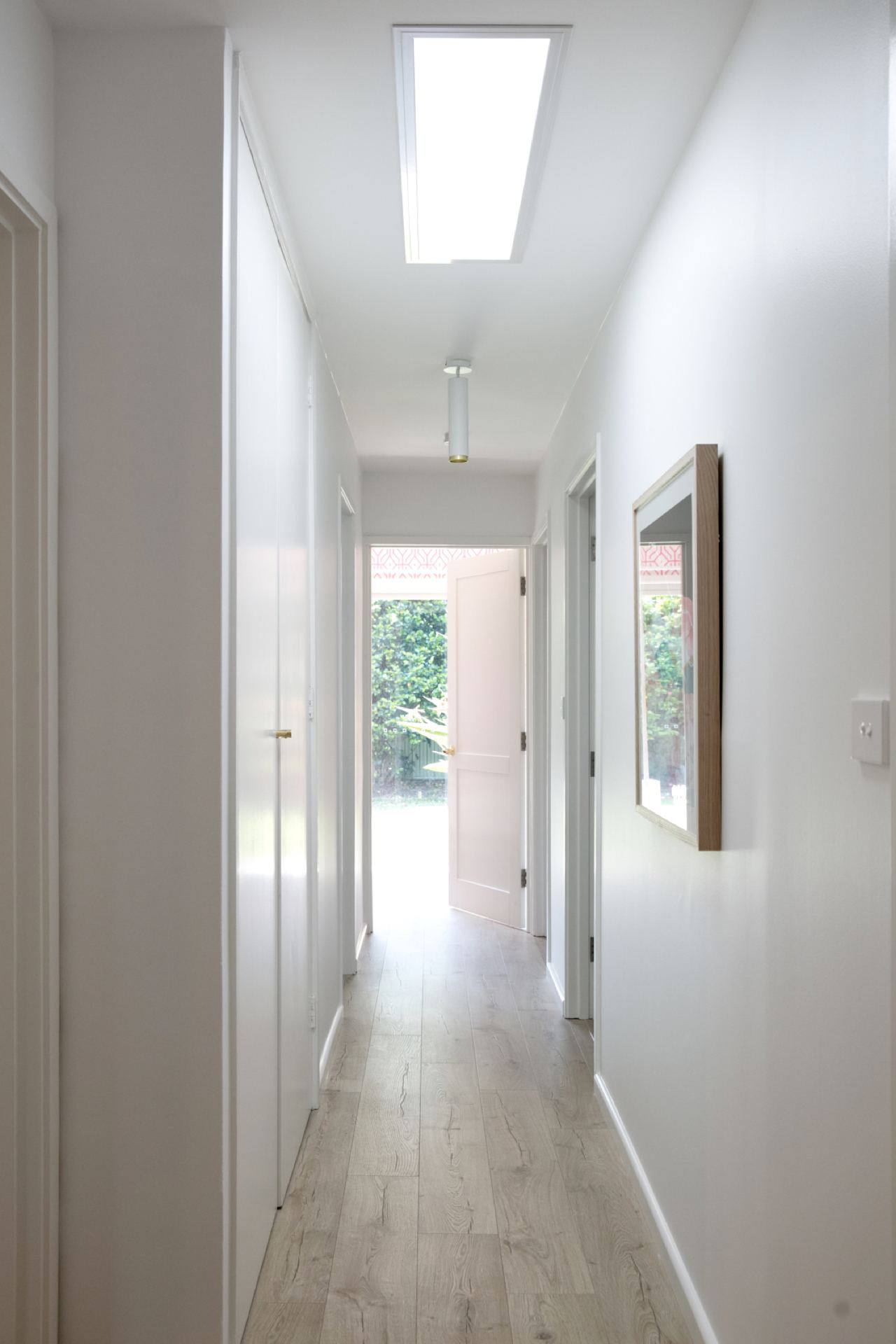
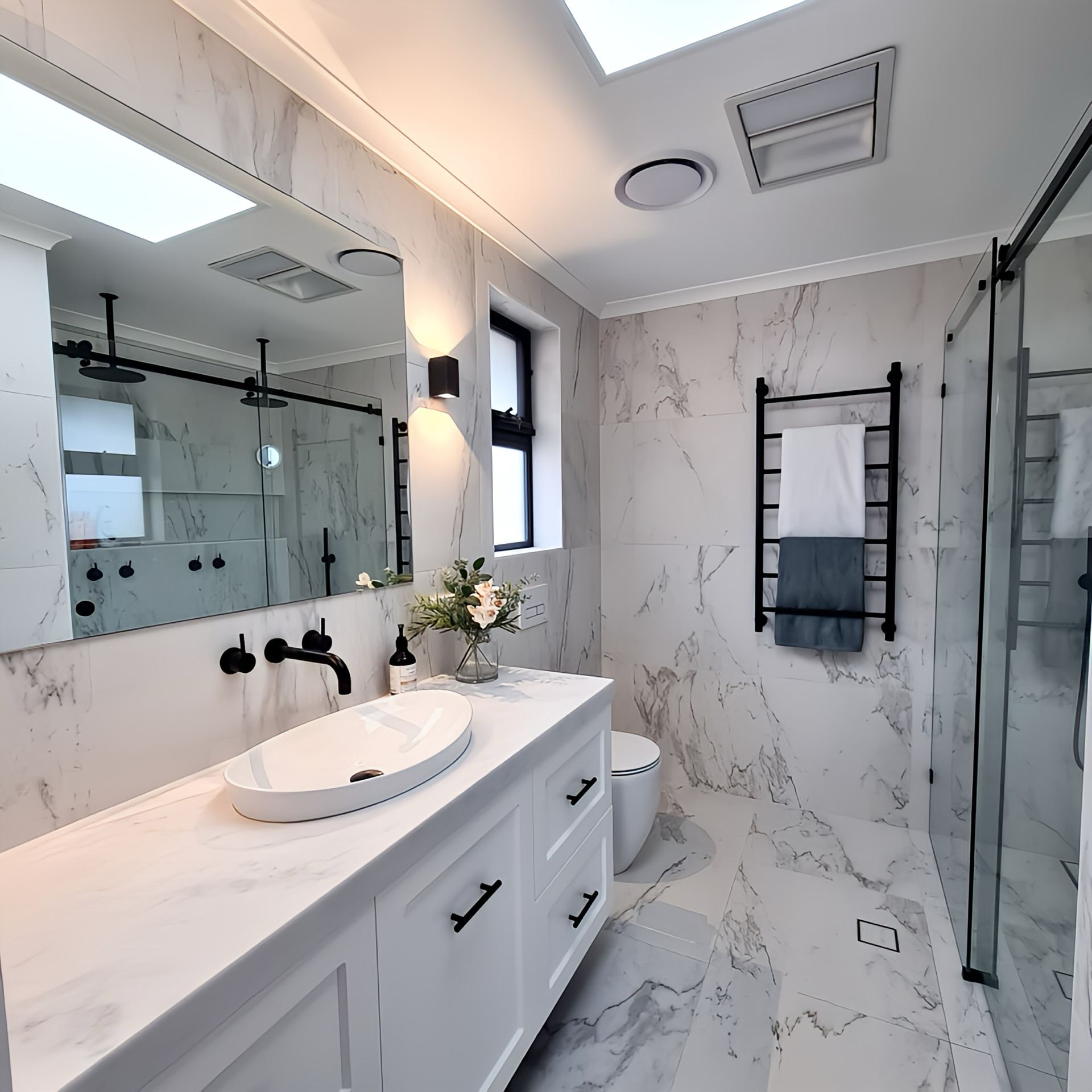
- Rooms under a second storey, internal bathrooms, walk-in robes, stairwells, garages, duplexes and units: Illume only. There is no roof above the ceiling to cut, and the collector can sit anywhere on the roof with a cable run to the panel.
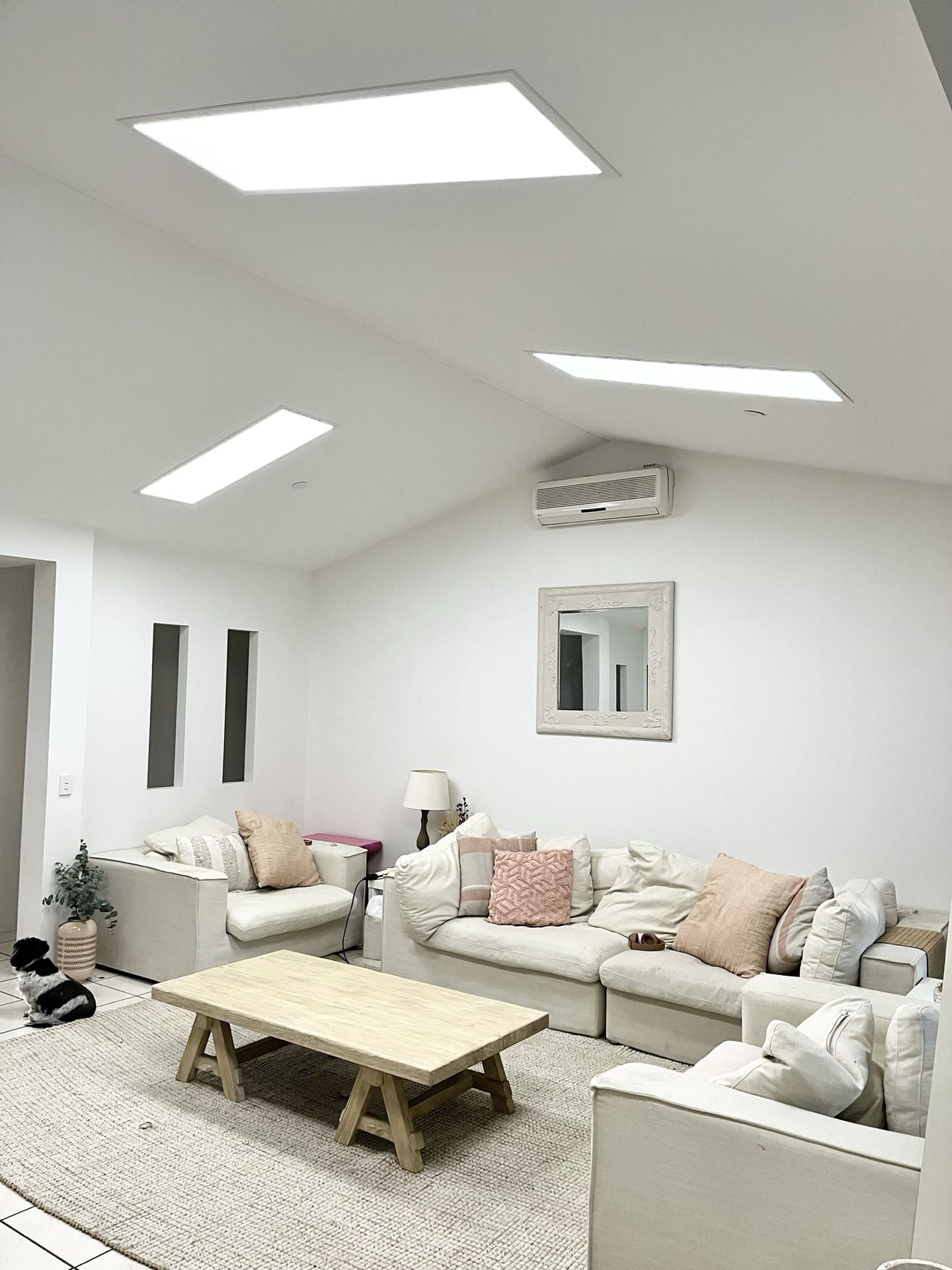
- Rooms with trusses, battens, ducting or wiring in the way: Illume is not limited by what is above the ceiling, because nothing has to pass through it except a cable. A roof window or tube has to fit between the trusses, which often forces a smaller unit than the room needs.
One of our Buderim customers put it well after we installed a panel where a traditional skylight would not fit: "Our roof trusses would only have allowed a small traditional skylight, but with the Illume skylight we could have a much larger one." That is the common case, not the exception.
Light quality, night and cloudy days
A roof window gives you the sky, including the view, and that is its real advantage. If you want to see clouds from the bed, nothing else does that.
A solar tube delivers real sunlight, filtered through the diffuser. Output drops with tube length and bends, and it is dark at night.
Illume reproduces daylight-frequency light and matches the outside conditions through the day: full brightness in sun, roughly 60 percent on an overcast day, which still reads as bright because the rest of the house is darker too. Options a glass skylight cannot offer: a remote to switch it on and off or dim it to the level you want, and an AC-wired model that works as a light at night.
Maintenance
Roof windows need their seals and flashing checked and the glass cleaned. Tubes collect dust on the dome and, over time, on the diffuser. Illume has no moving parts, no battery (solar only, for fire safety in a hot roof cavity) and nothing on the roof but a flat collector. It comes with a five-year warranty, and our workmanship is warranted separately as a QBCC-licensed contractor.
Installation and timing
A roof window or tube is a roofing job: cut the roof, flash it, build a shaft if needed, then plaster and paint. Expect a day or more plus trades.
An Illume install is a ceiling job. We fit the collector, run the cable through a 13 mm hole, and mount the panel flush or surface-mount, including on asbestos, fibro or cement-sheet ceilings where cutting is not an option. Most installs are done in hours, no painting or plastering, and the room is left as we found it. Once you accept a quote your kit is usually ready within ten business days, and most customers have their skylight installed within two to six weeks of ordering.
Sizes
Illume Pro comes in round, square and rectangular panels from 280 mm round up to 300 x 1200 mm, so one long panel can light a hallway and a pair of squares can light a kitchen. Sizing is by the square metres you want lit, which is why we measure the room rather than quote from a photo alone.
For the size that suits each room, with Illume's published illumination areas, see our Illume skylight sizes guide.
Cost
Illume is sold and installed per panel, with discounts for multiples, and the price depends on panel size and how many you need. A roof window's price is mostly in the roofing and shaft work rather than the window itself, which is why a lower-floor install can cost several times the unit price. Every Sol Coast quote is written and fixed before we start. Ask us for one through the contact page, or read the full comparison on our Illume skylight vs Velux page.
Our recommendation
- Choose a roof window when you want the sky itself, in a room directly under the roof, and you are comfortable with a roof cut and some heat.
- Choose a solar tube when you want real sunlight in a room directly under the roof and the tube can run straight.
- Choose Illume for everything else: dark hallways, kitchens under a second storey, internal bathrooms, robes, stairwells, garages, duplexes, units, and any home where cutting the roof is off the table. It is the only one of the three that works at night, dims, and does not heat the room.
Browse real installs in our gallery, read more about Illume skylight alternatives on the Sunshine Coast, or weigh up the trade-offs in our Illume pros and cons guide.
Quick answers
Which skylight is best for a dark hallway on the Sunshine Coast?
Short answer: An Illume skylight alternative, because it fits where roof windows and tubes cannot, adds no heat, and can be dimmed or switched off.
A hallway usually sits in the middle of the house with trusses, ducting or a second storey above it. Illume needs only a cable, so panel size is chosen for the hallway rather than for what fits between the trusses.
Do Illume skylights work at night?
Short answer: The standard unit is solar only; the AC-wired option works as a light at night and dims from the remote.
Illume has no battery by design, because lithium batteries are a fire risk in a hot roof cavity. If you want light after dark, we wire the panel to mains as well.
Does a skylight make a room hotter?
Short answer: A glass roof window or solar tube does; an Illume does not.
Glass and tubes pass radiant heat with the light. Illume's collector stays on the roof and the ceiling panel runs cool.
Do you have to cut the roof to install a skylight?
Short answer: For a roof window or solar tube, yes. For Illume, no: the only hole is a 13 mm one for the cable.
That is why Illume has nothing to flash and nothing to leak, and why it can be fitted on tiled, Colorbond, vaulted and even asbestos ceilings.
How long does an Illume install take?
Short answer: Most homes are finished in a few hours, with no painting or plastering.
Kits are usually ready within ten business days of accepting a quote, and most customers are installed within two to six weeks of ordering.